
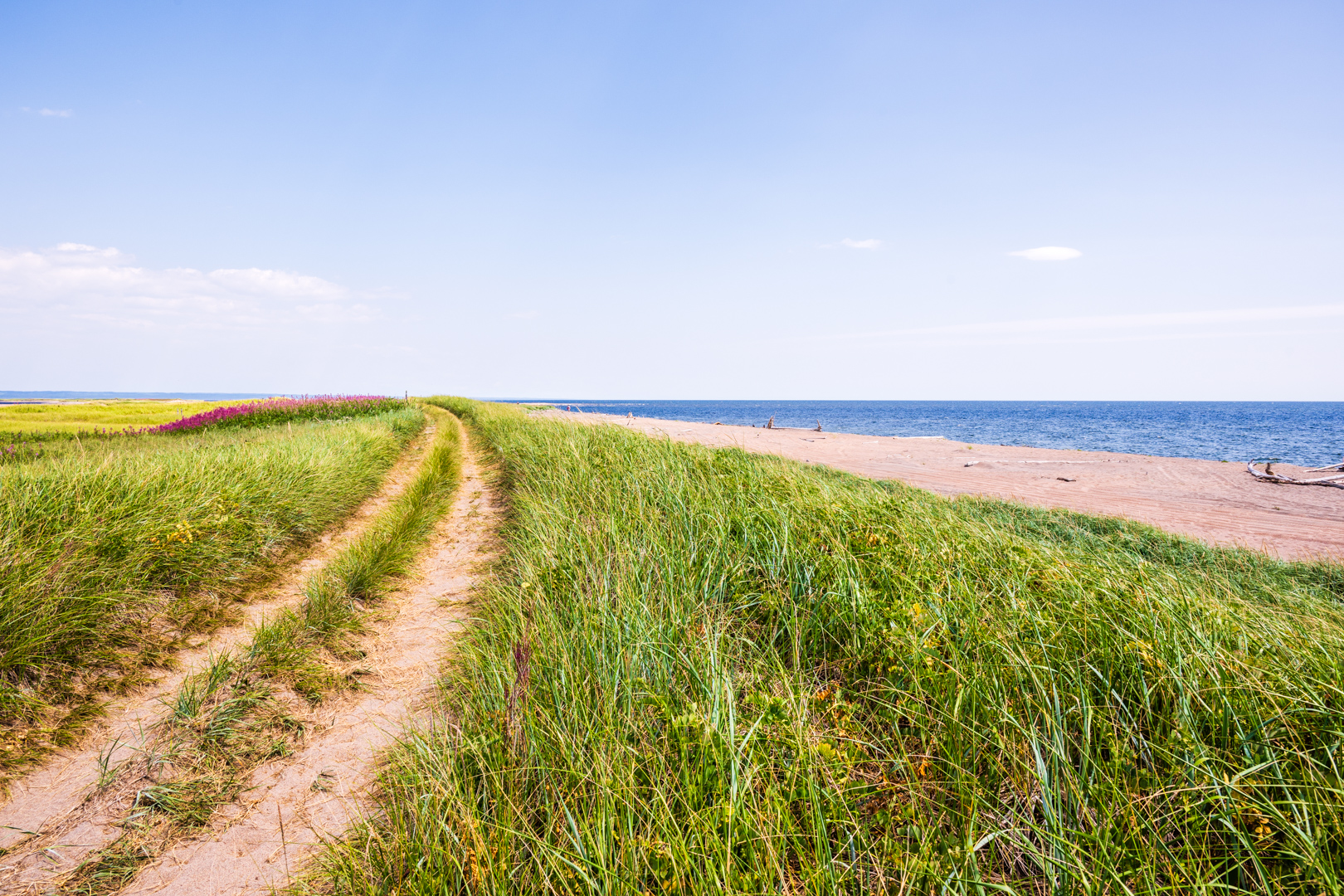
Continuing down the coast, I made it to the Sept-Iles area. From this point on, the land was a bit more flat and covered in sand beaches. It was a bit surprising as I was expecting things to be much more rough and rocky. This day was probably my favorite of the trip. It was packed with great coastal walks, amazing scenery and perfect weather…plus a terrific wild camp spot!
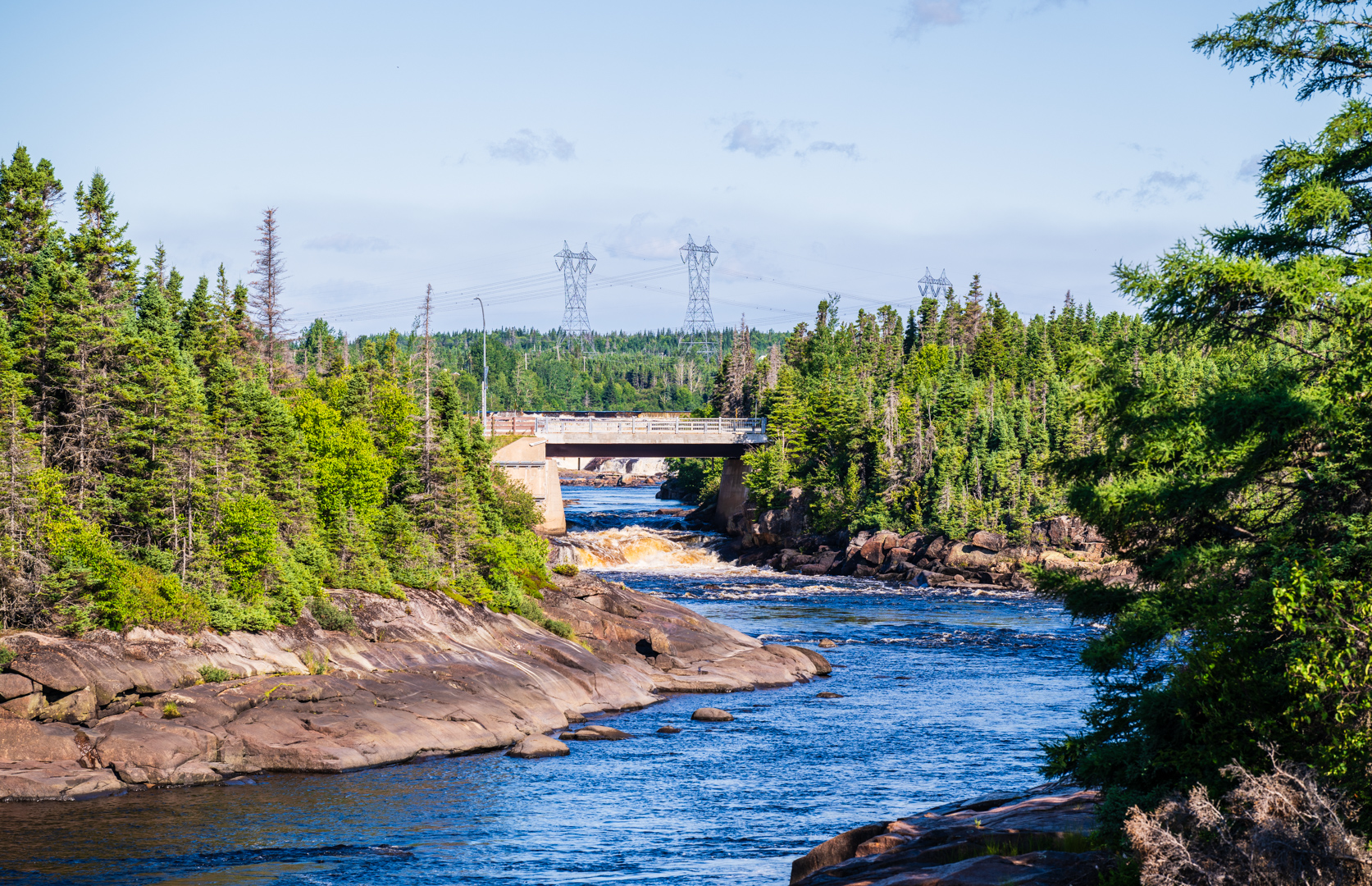
That morning, after breaking camp in Port Cartier, I explored around town a bit. There was a rushing river with some falls…although there weren’t really any good angles for photos. The mouth of the river has some ruins from old logging operations.

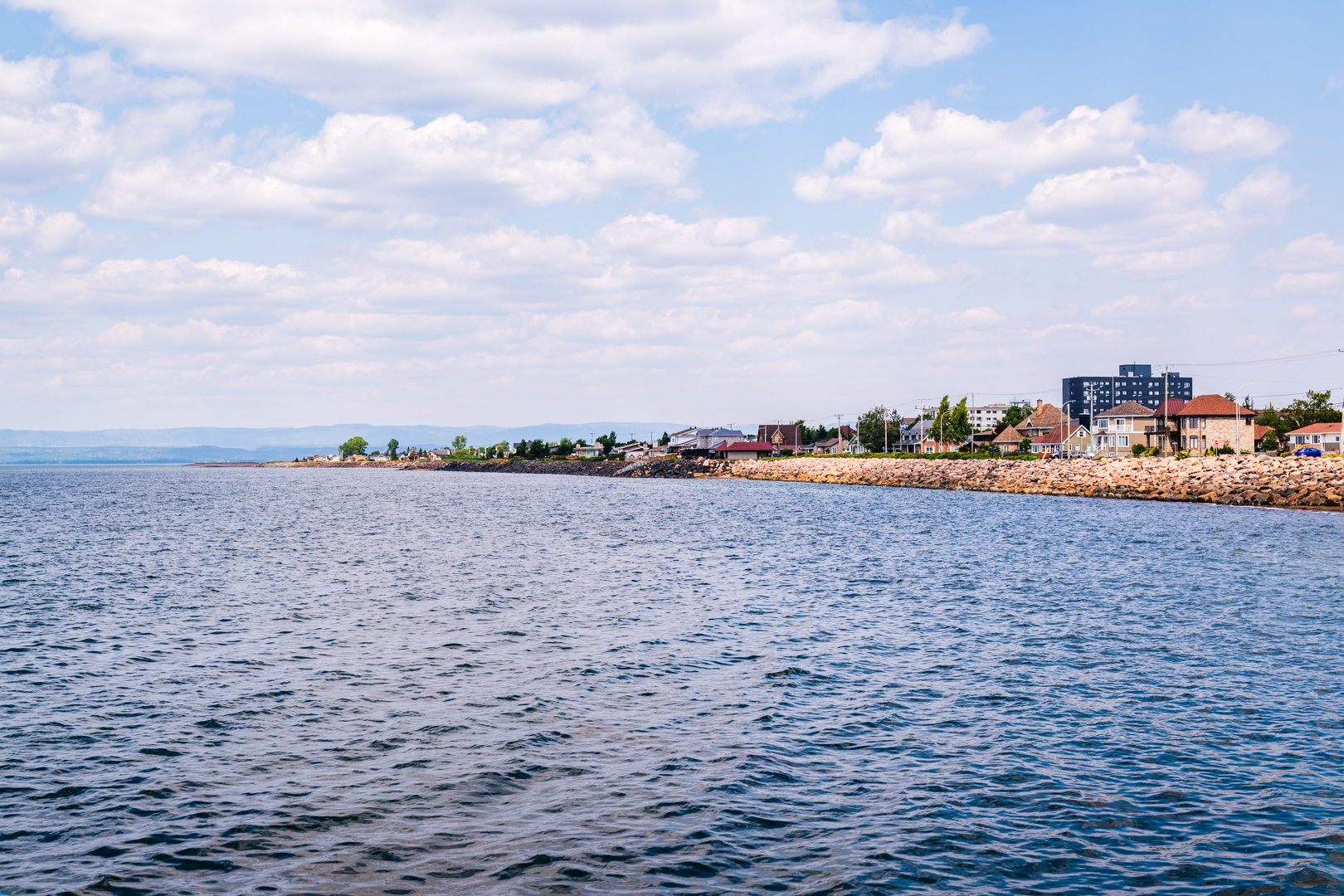
The first destination of the day was Gallix. It’s a small beach town, with a scenic beach and boardwalk. It was perhaps a little more civilized than my usual style, but the area was beautiful, and actually very quiet. Somehow, despite the Sept-Iles region being a more populated area, and quite industrialized…the scenery was surprisingly amazing all around. It was much less busy than it felt like it should be…although the population is only 24,000.

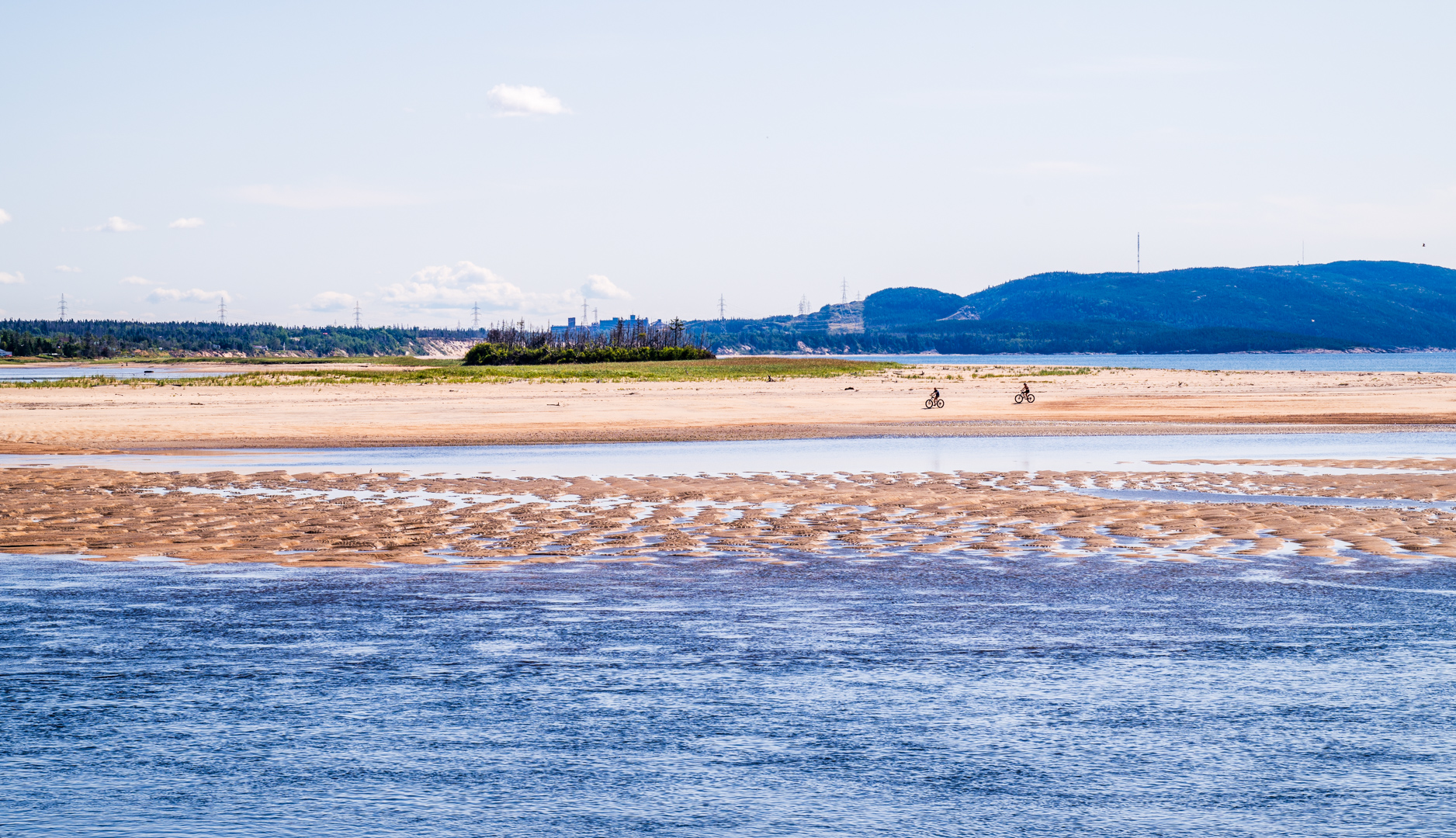
From Gallix, I could see another beach across the river, so I drove there next and spent some time walking along the grassy hill next to the beach.

For me, the draw of a beach is: the scenery, the waves, the seagulls. I’m more of a beach comber…always walking and exploring. I’m definitely not one for sunbathing or swimming. These Quebec beaches were really my type. Lots of interesting grasslands set back from the water, dunes, and spectacular scenery to enjoy off in the distance.


Sept-Iles proper is a pretty standard city with the usual stores. The waterfront was a little more interesting. The seven islands surround the bay, which is a busy deep water port. Across the way is a huge terminal and metal processing plant. There are some huge iron mines much deeper inland, and railroads to Sept-Iles and Port Cartier to ship the ore out. At one point this was the 2nd busiest port in Canada. There were a bunch of large ships out in the bay. Most of the heavy industry was too far away or hidden by trees though, so I don’t have many good photos.
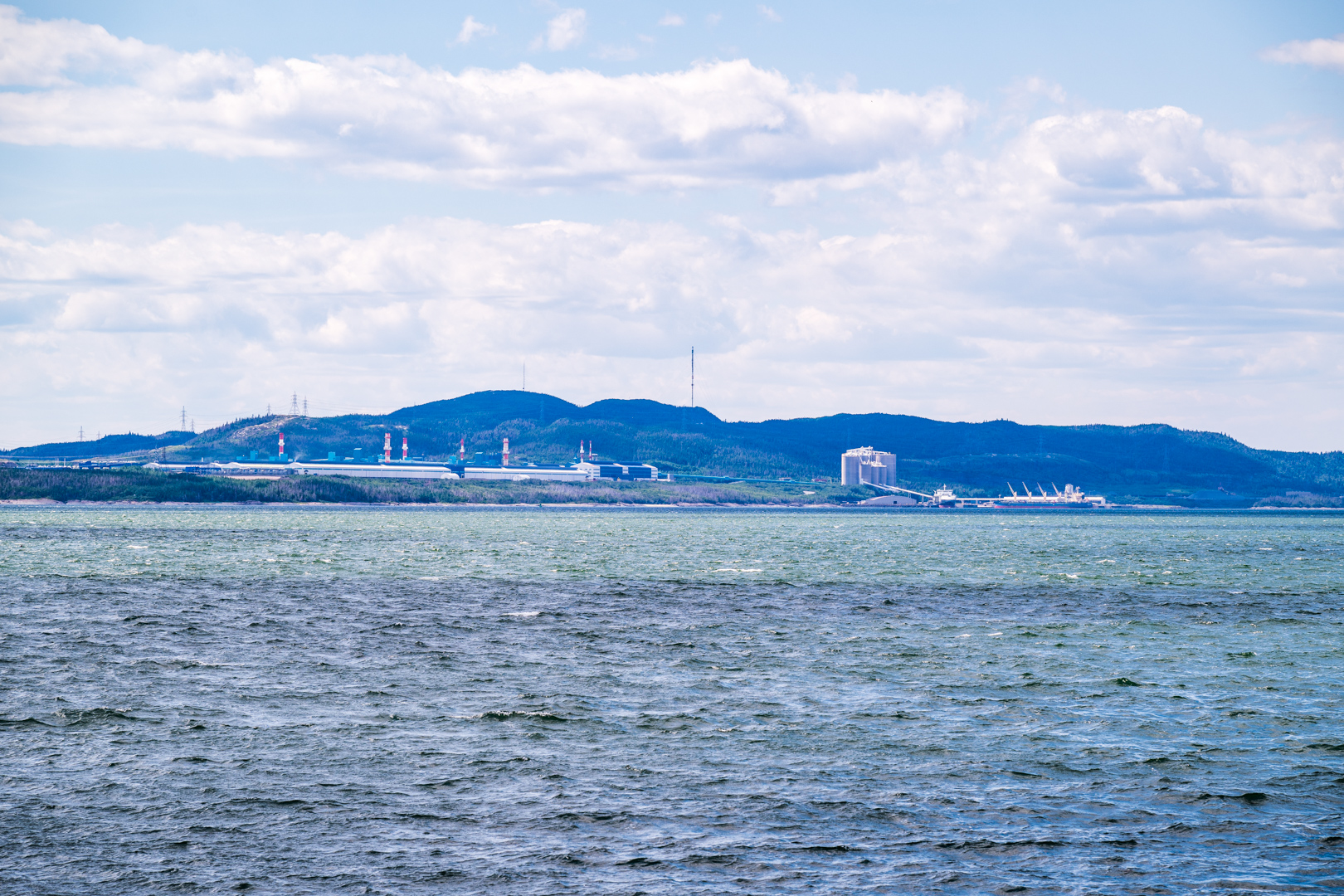
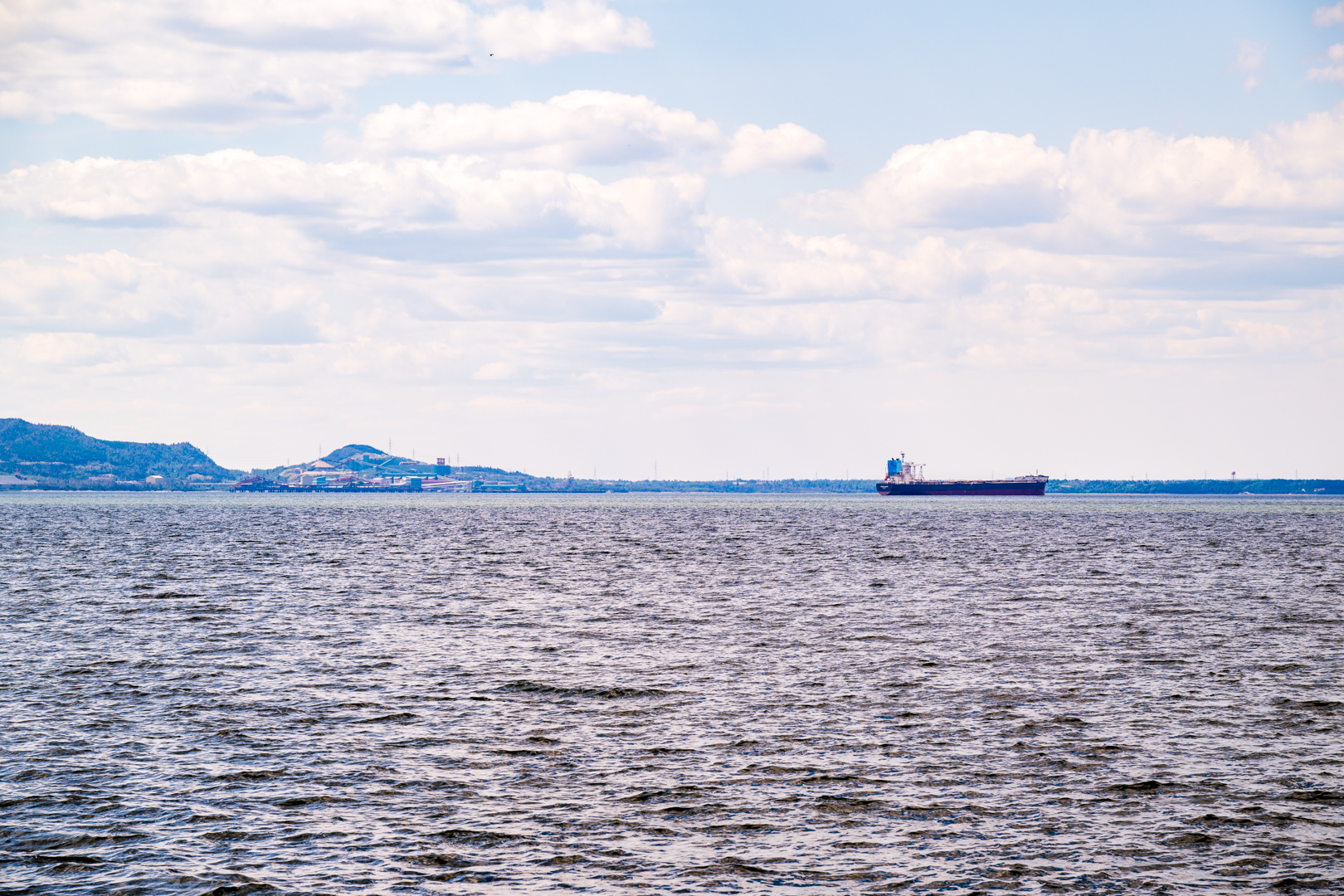
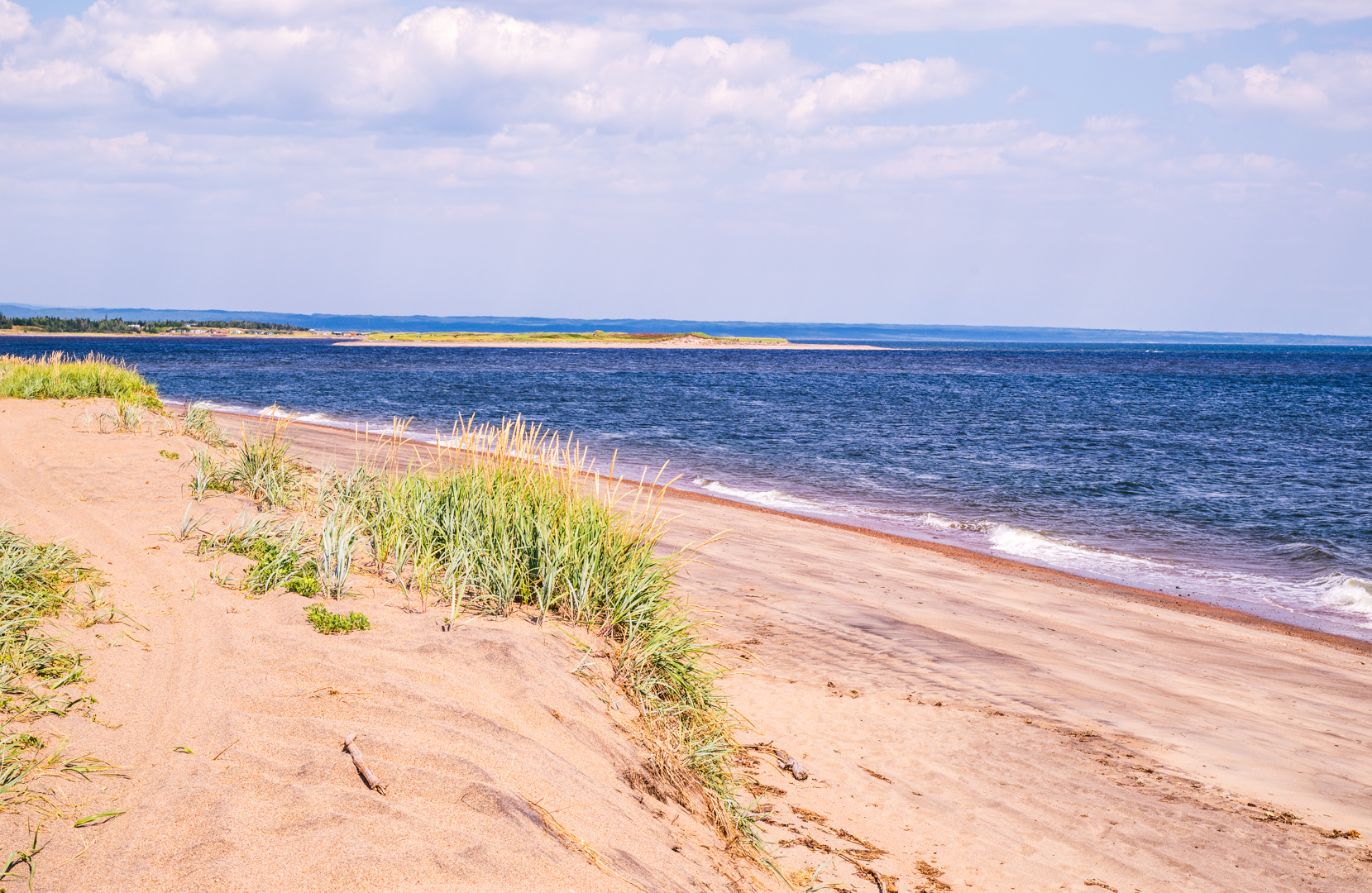
Looking on google maps, I decided to head to the Moisie Point Beach. There didn’t seem to be much info online, but from google satellite imagery, it looked good. I’m not sure how the land is divided out here(probably couldn’t read the French signs), but as I turned off the highway it was obviously a First Nations area. There were other people at the beach, but it felt like an off the beaten path, undiscovered treasure. There were trails all over the grassy dunes leading out on a peninsula of sand by the mouth of the Moisie River.

The green and yellow grassy hills were punctuated with patches of pink fireweed while the sand poked through. The wind rustled the grass, the waves crashed against the shore, and the sun shone as I walked along in awe.

This was my favorite location of the trip. Yet, I feel like the photos don’t quite live up to that. I think it’s because my enjoyment was just as much about the ambiance as it was about the views.
After a delightful wander through the dunes, I reluctantly moved on…but what came next was another highlight. While I hadn’t put in a lot of planning for this trip, at one point I was browsing over google maps and noticed a no-name beach on a remote section of the highway that looked campable. I had made note of where it was…and it was next.
On previous days I had been keeping my eye out for good wild camps by the waterway, but they always seemed to be occupied. I was a little worried about it being occupied, as this was the beginning of a more remote section of highway, so there weren’t many options for camping. I arrived at my destination and there were two other cars there, up on the grass above the beach. There was a track down to the sand, so I drove down and found a spot right on the beach. Driving on soft sand is a bit different, and it can feel easy to get stuck, but I learned to just trust the 4×4.

At first the spot seemed less than ideal, as the nearby highway bridge was under construction and there was a lot of noise. Once evening came, the work stopped and it was quiet, aside from the waves against the shore. The other two cars left as well, so I had the place all to myself for the night. The highway was pretty quiet as well.
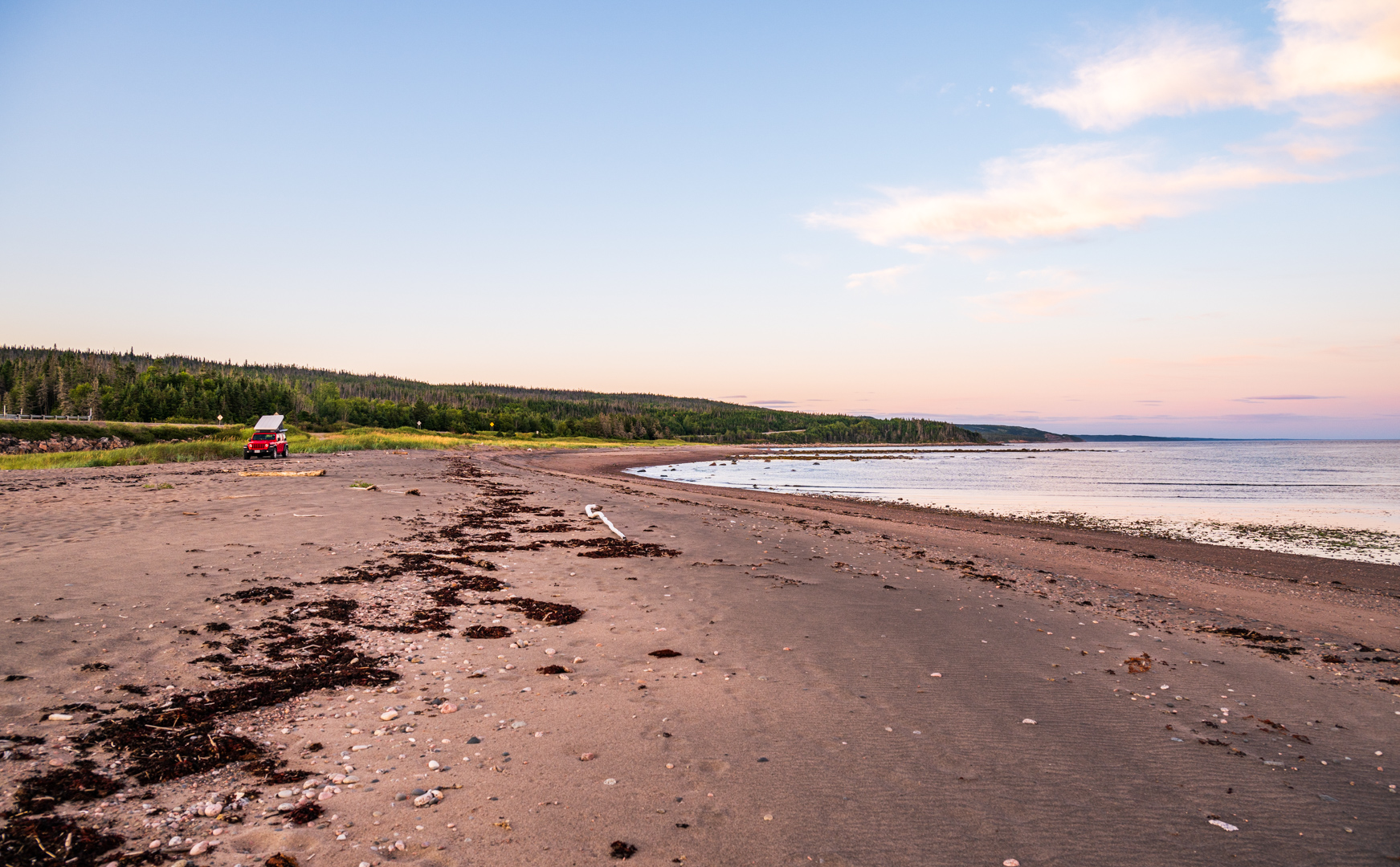
I spent some time reading, observing the tide slowly going out. Then I wandered among the rocks in the low tide, taking photos of the sunset. When the tide is out, there’s no waves by the shore, so it was a very quiet night.

Later that night the stars came out and even a hint of aurora glow to the north. These camp spots are so nice, because unlike a typical campground, I can just experience the sunset and stars from the comfort of my spot.

It’s interesting that some of the best times on this trip came from one of the more populated areas. I was fully expecting the best stuff to come on the farther reaches of the road. Although Sept-Iles isn’t exactly the most populous either… The beaches were super surprising as well, and much more enjoyable than I would have thought. This continued the trend of amazing explorations every single day of the trip!

 The Narrow Twisty Road
Beautiful pictures of God’s creation Tim Gives me the urge to go camping…